
Water Taste Psychology: How Smells Influence Flavor Perception and Fixes
Water is the basic foundation of life for everything under the sun. Our life experiences are deeply rooted in perception. This perception is a cornucopia of memories infused in our brains, influencing everything we see, touch, taste, smell, and hear.
For example, an old, abandoned house may make you feel anxious when you approach it because it appears haunted. Similarly, the pungent odor of Brussels sprouts can evoke a perception of bad taste in some people, while others enjoy them. The same principle applies to water. The cloudy water that comes from your faucet may be perfectly safe to drink, yet your negative perception can make it taste unpleasant. Let’s take a closer look at the psychology of water taste and explore how smells influence our perception of flavor, along with some fixes to overcome those negative associations.
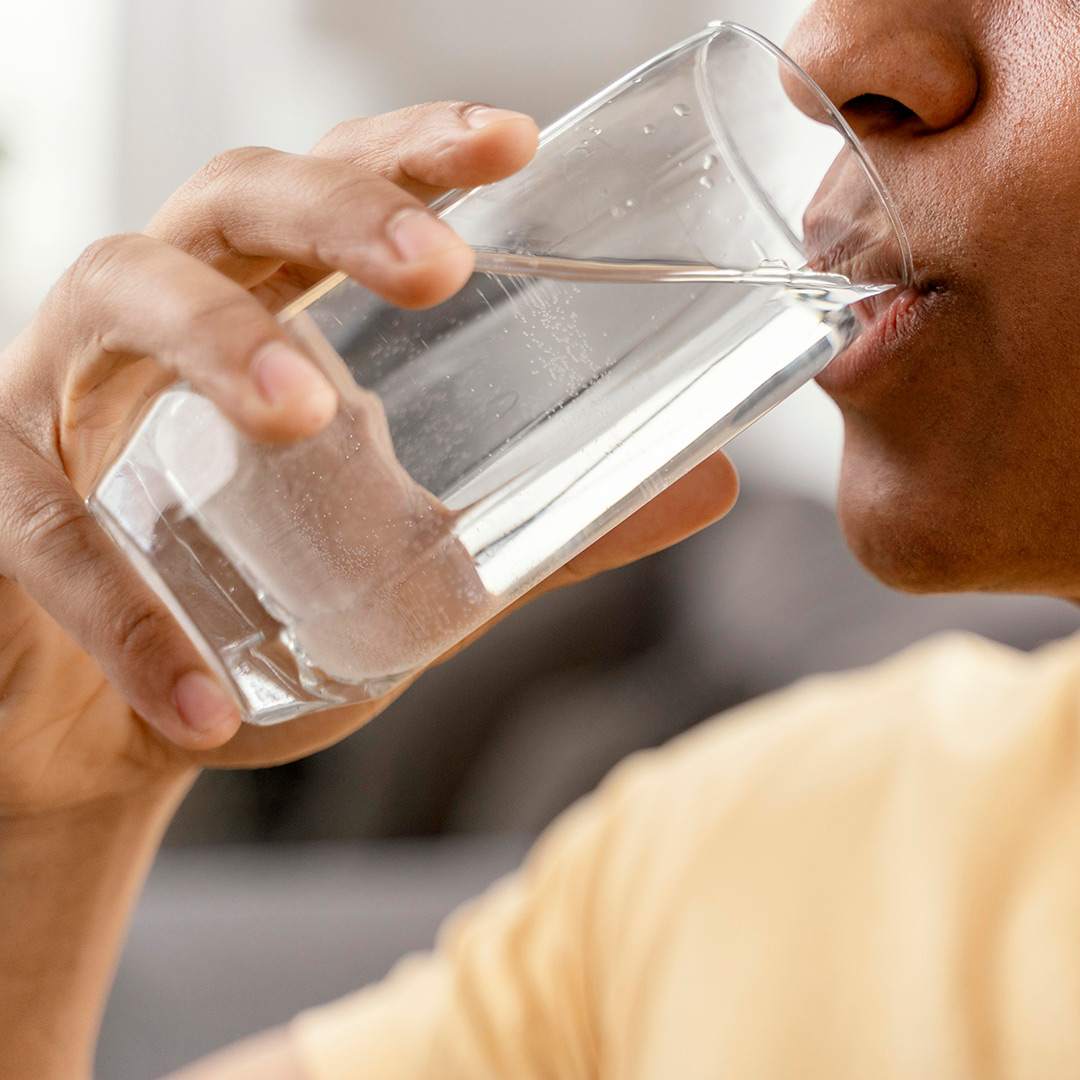 What Should Water Taste Like
So, what does water taste like? Ask three people, and you are likely to get three different answers based on their personal perception and the water’s mineral content. One person may say it tastes sweet; another may say it tastes metallic, and yet another may say it has no taste at all.
Scientifically speaking, pure water (H2O) is often described as tasteless, colorless, and odorless. However, the water we drink is rarely that pure. It usually contains a variety of dissolved minerals and compounds that contribute to its Total Dissolved Solids (TDS).
- Sweet: Often due to higher levels of calcium or a lower pH.
- Salty/Bitter: Can be caused by high levels of magnesium or sodium chloride.
- Metallic: A common flavor indicator of high iron or copper minerals.
These minerals are what give water its terroir—the unique flavor profile that distinguishes water from its sources.
The Psychology of Taste
Our taste bud receptor cells can perceive five different tastes:
- sweet
- salty
- sour
- bitter
- umami (savory)
However, the experience we commonly call “flavor” is far more complex. It’s a multisensory phenomenon in which smell (olfaction) is the dominant factor in our perception of taste.
How Smell Influences Flavor Perception
The connection between smell and taste is stored in the brain. When you drink water, volatile odor molecules travel up the back of your throat to your olfactory receptors.
Smell primes the brain for taste. If your water has a subtle odor—perhaps faint chlorine, sulfur, or a musty/earthy smell from decaying organic matter—your brain uses this information to anticipate and interpret the taste. A hint of sulfurous odor (like rotten eggs) can immediately trigger a “bad taste” perception, even if the actual taste receptors on your tongue are barely registering anything.
Appearance also plays a psychological role in water taste. Cloudy or colored water (even if safe) triggers a warning sign in our brain, reinforcing any negative olfactory signals. Your perception gives water its unique taste. In other words, you taste what you smell. If the water smells clean and neutral, your brain is more likely to interpret the taste as refreshing.
Home Remedies To Fix the Negative Perception of Taste
If you suspect the negative taste is primarily due to a mild odor or psychological association and your water is confirmed safe, you can try these fixes:
- Chill It: Cold water suppresses both the release of volatile odor molecules and the activity of taste receptors. A glass of ice-cold water will have a significantly reduced odor and a more neutral taste.
- Aerate: Odors like chlorine are volatile and can be dissipated by exposing the water to air. Pour water back and forth between two clean containers a few times, or let a pitcher of water sit, uncovered, in the refrigerator overnight.
- Add Natural Infusions: While it won’t fix an underlying problem, a subtle, pleasant scent can overpower a mild negative one. Try adding slices of lemon, lime, cucumber, or mint to a pitcher of cold water. The delightful aroma provides a fresh, clean taste.
- Activated Carbon Filters: A basic carbon pitcher filter is excellent at reducing or removing the compounds (like chlorine or organic molecules) that cause bad tastes and odors, addressing the root of the negative perception.
 When to Get a Water Test
While some of the taste in water may be due to perception, you shouldn’t rely on smell or taste alone to determine if it is healthy. Watch for these signs that you need to test your drinking water:
- Rotten Egg Smell
- Swimming Pool Odor
- Metallic Taste
- Salty Taste
- Water is Cloudy
If You Have a Private Well, the water should be tested annually, regardless of changes in taste or smell.
What’s in Your Water? Schedule Your Free In-Home Analysis Today!
At Tri-Florida Water Treatment and Purification, we’ve made it easy and convenient for homeowners to find out what’s in their drinking water with our free in-home testing. We service the entire Polk County area, including Davenport, Gibsonia, Auburndale, and Winter Haven, FL. Call now to schedule your appointment and take the first step toward crystal-clear, odor-free, better-tasting water!