Well Water vs. City Water and What Makes Central Florida’s Water Landscape Unique
Ideally situated between Orlando and Tampa, Polk County is literally at the crossroads of Central Florida. With its seventeen municipalities, from the urban centers of Lakeland and Winter Haven to the rural communities of Hillcrest Heights and Fort Meade, Polk County has something for everyone. Its most precious resource, water, is the common thread that connects nearly one million residents across the county’s vast 2,000-square-mile area.
 What Makes Polk County and Central Florida's Water Landscape Unique
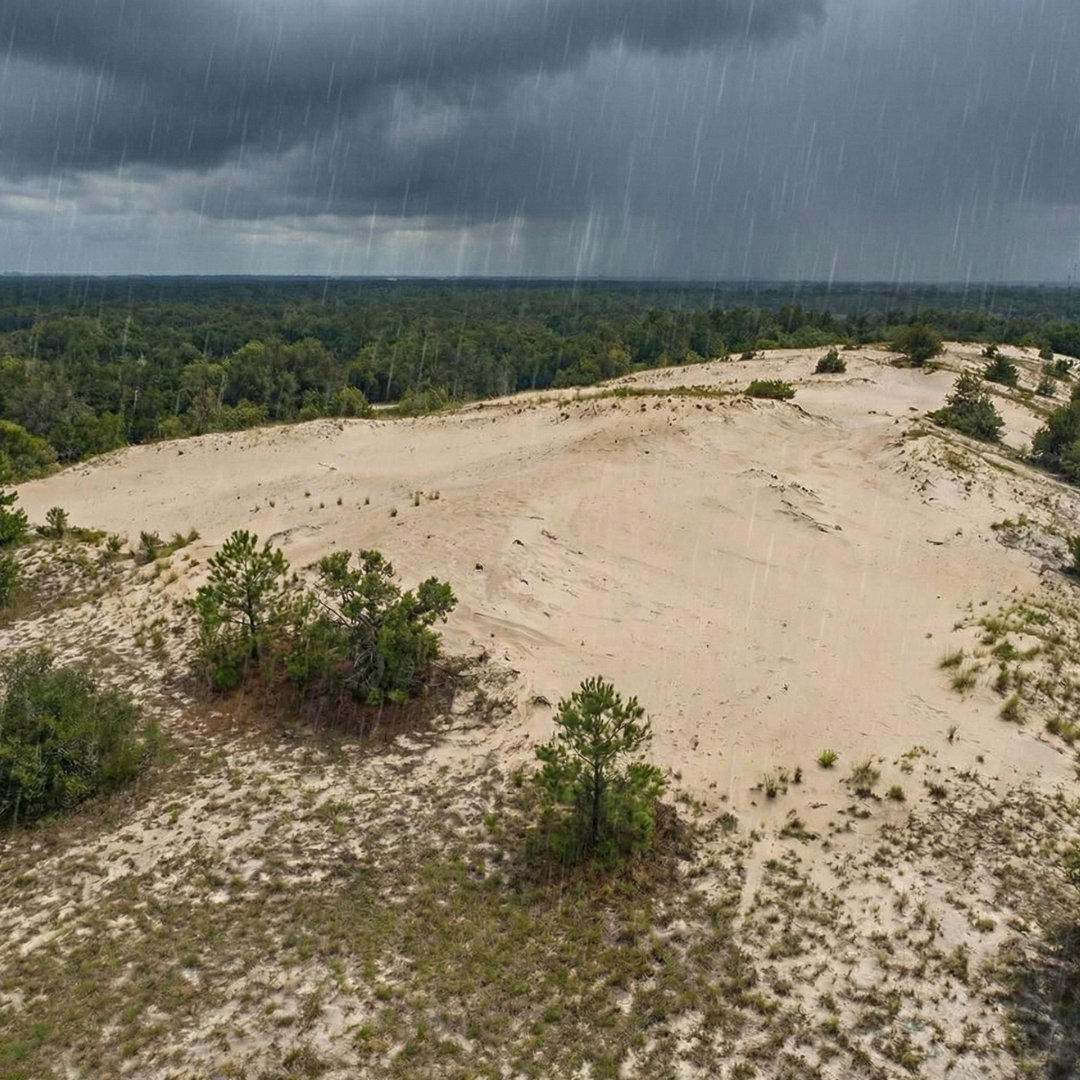
Polk County is geologically "at the center of it all." The Lake Wales Ridge runs through the heart of the county. This elevated area acts as a massive "sand filter" for the state, but it also creates unconfined regions in the aquifer. This means rainwater (and any surface pollutants, such as nitrates) can seep into the groundwater much more quickly than in other parts of Florida.
Historically, Polk County has been the center of Florida’s citrus and phosphate mining industries. While these are vital to our economy, they have left a legacy. Mining and agricultural runoff can introduce specific minerals and chemicals into the local water table that require advanced filtration beyond what a standard municipal treatment plant provides.
Also, the county is a high-recharge area for the Floridan Aquifer. As water is pushed down into the porous limestone, it is naturally "mineralized." This process is what gives Central Florida some of the highest water hardness levels in the country, often exceeding 200 mg/L (milligrams per liter).
The Floridan Aquifer
The Floridan Aquifer is an ancient underground river, flowing just a few feet below the surface. Serving over ten million residents, it is the primary groundwater source for the Sunshine State. Polk County Utilities pumps groundwater from the aquifer to a treatment plant, then distributes it to over 68,000 municipal water customers through an underground pipeline network. Homeowners with a private well also get their water from the same underground source, but must treat it themselves to remove impurities so that it is safe to drink, bathe, and wash dishes and laundry.
Well Water Vs. City Water
Since the Floridan Aquifer is surrounded by porous carbonate rocks, including limestone, Central Florida water is naturally hard. Additionally, storm runoff and pollution from livestock and chemicals can enter the groundwater, requiring extra care for both well and city users.
 Benefits of Whole Home Water Treatment for Well and City Users
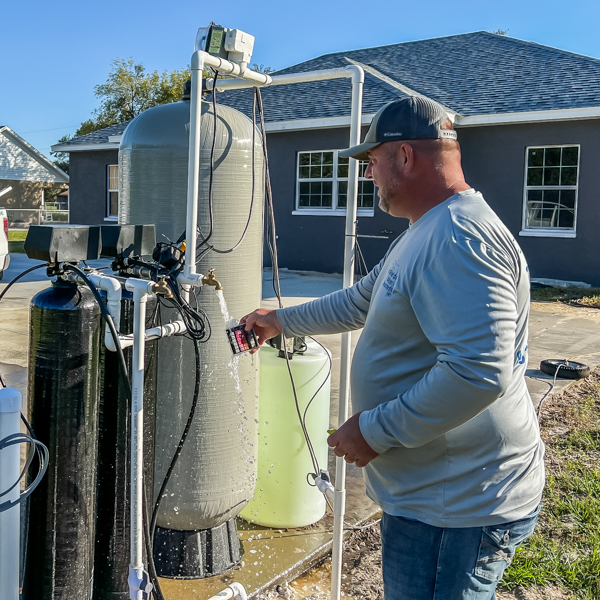
Regardless of your source, a whole-home system at the point of entry ensures that the water used for bathing, cooking, and drinking is consistently high-quality.
Protect Your Plumbing: Eliminate scale deposits that clog pipes and wear out hot-water appliances, such as washing machines, water heaters, and coffee machines.
Healthier Skin & Hair: Did you know that hard water can cause acne? Soft water preserves your skin's natural oils, preventing that "itchy" post-shower feeling and clogging pores that can lead to acne.
Better Taste: Remove the chlorine or sulfur odors that make tap water unappealing.
Cost Savings: Use up to 50% less soap and detergent, as soft water lathers much more effectively. You can also stop buying bottled water, saving money while helping to create a more environmentally friendly environment.